Texas Water Proposition 6 – Yes or No?
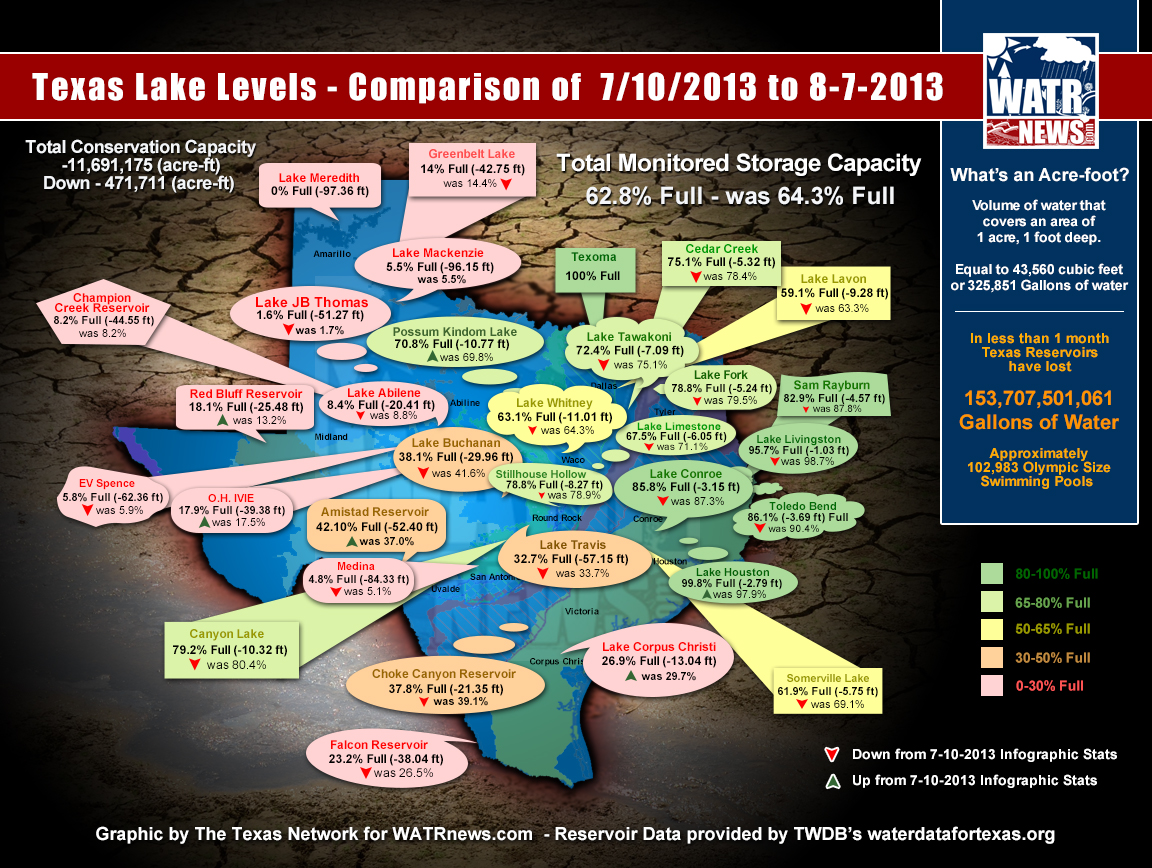
The Highland Lakes are the primary source of water for Central Texans. No water in the lakes = no water coming out of your faucet. If you’re concerned about the water supply in Lake Travis or the water supply anywhere in the State of Texas, you might want to learn about Texas Water Proposition 6.
According to the Texas Water Development Board, Proposition 6 is an amendment to the Texas Constitution creating the State Water Implementation Fund for Texas (or SWIFT). It will appropriate $2 billion from the economic stabilization fund (also known as the Rainy Day Fund) to the SWIFT, and direct the Texas Water Development Board on how the newly created fund may be used.
What are the implications to Lake Travis area residents? Well, we have some resources for you to learn about Proposition 6 and see if it might make the “yes” list for your ballot on November 5.
To learn about the proposition, you can visit Texas State Water Fund Amendment BallotPedia Page, see the Full Text of Constitutional Changes (exhilarating), and read up on FAQ about the proposition.
Proposition 6 will appear on ballots this November and provide Texans the opportunity to approve or deny a one-time investment that will implement our State Water Plan.
Here are the arguments from Supporters and Opponents of Proposition 6 in the Texas Legislative Council’s official voter guide.
Supporters state that ensuring an adequate water supply is vital to the public health and continued economic well-being of the state. The current ongoing drought, coupled with the water needs of the state’s growing population, has raised the specter of critical shortages in the state’s water supply, making it of paramount importance that the state invest in water infrastructure to ensure Texas’ continued prosperity. If the state’s growing water needs are not addressed, the state stands to suffer from the loss of over a million jobs, billions of dollars in lost income, reduced economic activity, and decreased tax revenues in the coming years.
The proposed amendment establishes the State Water Implementation Fund for Texas and the State Water Implementation Revenue Fund for Texas, which are to be capitalized by a one-time appropriation of $2 billion from the economic stabilization fund (Rainy Day Fund), for the purpose of financing water projects included in the state water plan. Using money from the economic stabilization fund for water infrastructure is an appropriate use of the fund, which was created as a savings account from which the legislature can appropriate funds as necessary to respond to emergencies such as the current drought, and will provide a better return on investment than if the money were left in the fund. Such a use of money from the fund will neither harm the state’s credit rating nor hinder the state’s ability to respond to an emergency.
Opponents of the measure state the economic stabilization fund should not be used to capitalize the two funds to be created by the proposed amendment. Instead, such funding should come from the general revenue fund. Drawing down funds from the economic stabilization fund to capitalize the two funds may negatively affect the state’s credit rating and leave the state inadequately equipped to respond to future emergencies. Furthermore, constitutionally dedicating the money used to capitalize the funds is merely an accounting gimmick designed to enable the legislature to avoid the constitutional limit on spending of undedicated state revenue.
These two new funds are unnecessary as there already exist two constitutionally dedicated water development funds as well as several financial assistance programs for water infrastructure administered by the Texas Water Development Board. Through the two new funds, the state would act like an investment bank, and it is not the state’s role to be in the commercial investment banking business. Financing for local water projects should be provided not by the state but by the users benefiting from those projects.
Be sure to get out there and vote. You can learn more about when and where here.
Election Day:
November 5, 2013
Early Voting:
October 21 through November 1
